

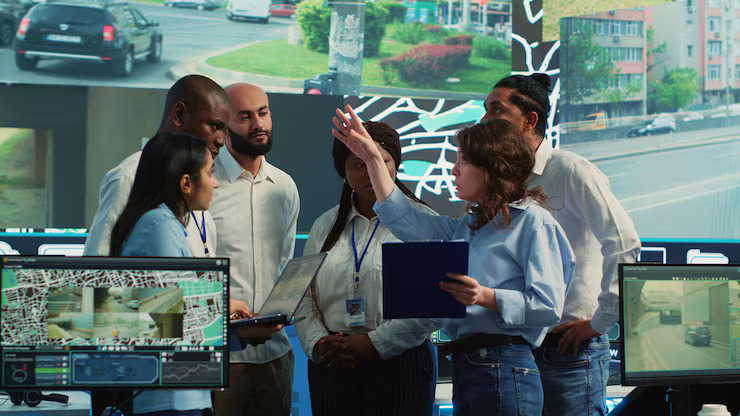
As urban populations continue to grow and climate challenges intensify, infrastructure innovation has become a critical priority for governments, developers, and engineering firms worldwide. Modern infrastructure is no longer limited to roads, bridges, and utilities; it now incorporates digital technologies, sustainability principles, and resilient design strategies.
One of the most significant developments is the integration of smart technologies into infrastructure systems. Sensors, Internet of Things (IoT) devices, and data analytics platforms enable real-time monitoring of transportation networks, water systems, and public utilities. These technologies improve operational efficiency while reducing maintenance costs and minimizing disruptions.
Sustainability is another driving force behind infrastructure innovation. Green infrastructure solutions such as permeable pavements, urban green spaces, and advanced stormwater management systems help cities adapt to climate change while improving environmental performance. Renewable energy integration and low-carbon construction materials are also becoming standard components of modern infrastructure projects.
Resilience has emerged as a key consideration in infrastructure planning. Engineers are designing systems capable of withstanding extreme weather events, natural disasters, and evolving environmental conditions. By combining technological innovation with sustainable practices, infrastructure developers can create assets that remain functional and reliable for decades.
The future of infrastructure will depend on collaboration between public agencies, private organizations, and technology providers. Together, these stakeholders are shaping smarter, more sustainable, and more resilient communities.