

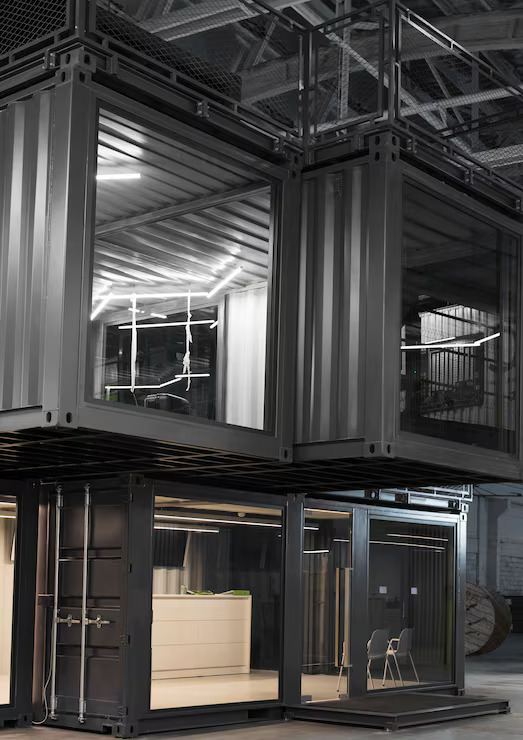
Modular construction is rapidly changing the way buildings are designed, manufactured, and assembled. Unlike traditional construction methods, modular construction involves producing building components in controlled factory environments before transporting them to the project site for installation.
The benefits of modular construction are substantial. Factory-based production reduces material waste, improves quality control, and accelerates project schedules. Because site preparation and module fabrication can occur simultaneously, construction timelines are often shortened by several months.
Safety is another major advantage. Controlled manufacturing environments reduce exposure to weather-related hazards and improve working conditions for construction personnel. Consistent production processes also contribute to higher-quality outcomes and fewer defects.
Modular methods are increasingly being applied across multiple sectors, including residential housing, healthcare facilities, educational buildings, and commercial developments. Advances in digital design tools and Building Information Modeling (BIM) enable precise coordination between architects, engineers, and manufacturers throughout the project lifecycle.
As housing shortages and labor constraints continue to challenge the construction industry, modular construction offers a scalable solution that balances efficiency, quality, and sustainability. Its growing adoption signals a significant shift toward industrialized building practices that can meet future development demands.