


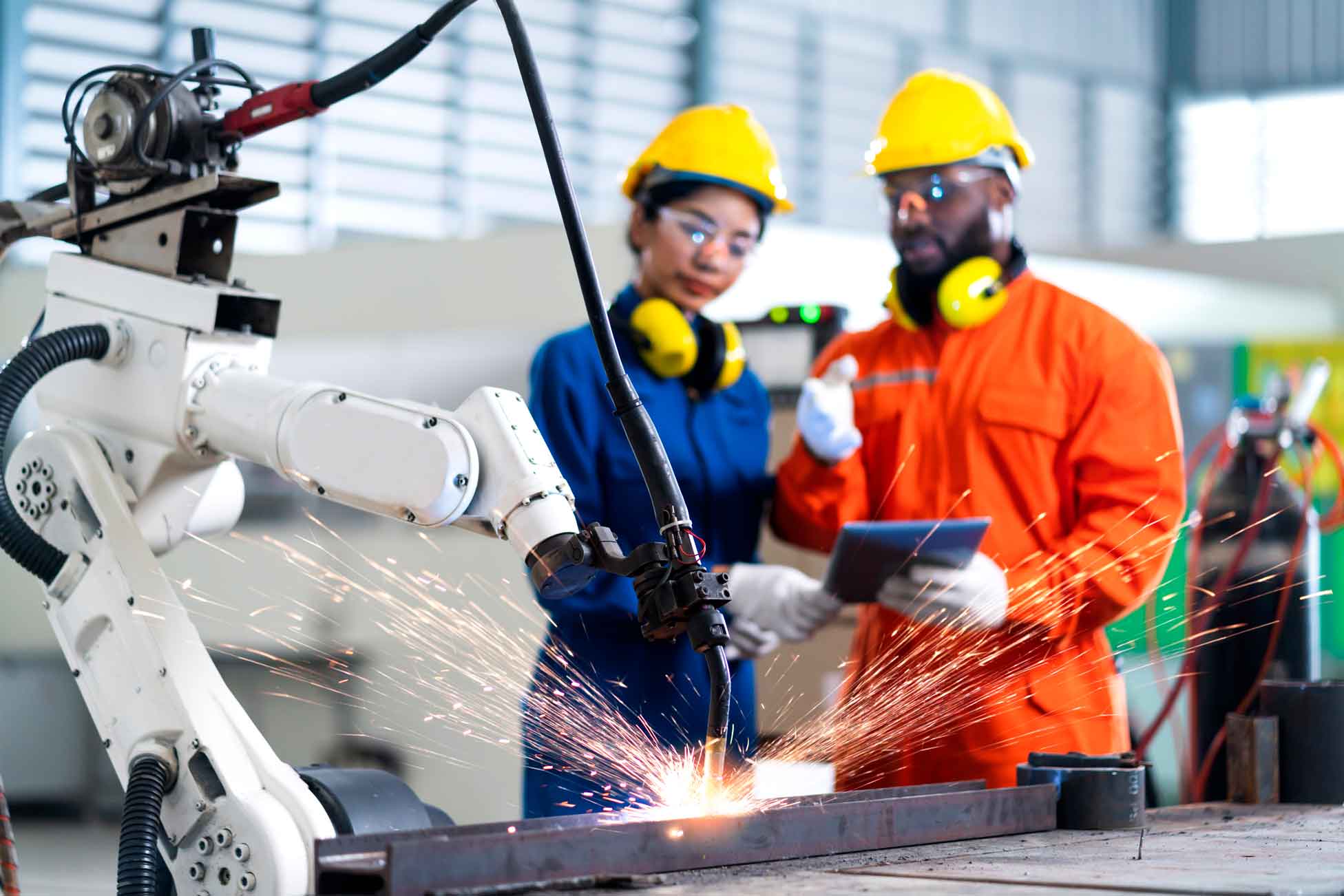
Every new machine on a job site brings the same question: whose job is it taking?
The history of construction suggests a different answer. Tower cranes did not remove workers from high-rise construction. They changed what workers did, and made buildings possible that could not be built before. Total stations did not end surveying. They made surveyors faster and more precise.
Robotics and AI are following the same pattern. Machines take on the tasks that are repetitive, heavy or dangerous: carrying material, tying rebar, inspecting confined spaces, measuring progress. Crews spend more time on coordination, quality, problem solving and the work that depends on experience.
That shift is not automatic. It requires training, and it requires involving the people who will work with the machines from the start. A robot introduced without the crew’s input usually ends up parked in a corner.
The industry also faces a practical reality: in many regions there are not enough skilled workers for the projects planned. Automation is less about replacing people than about doing work that would otherwise not get done on time.
At Emmaty Technologies, we see robotics as a way to make construction safer and more attractive as a career, not smaller.