

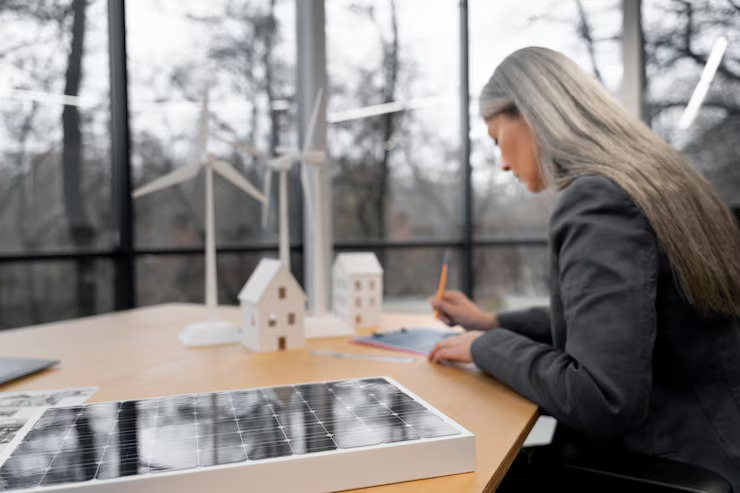
Traditional power systems have long relied on centralized generation facilities and extensive transmission networks. However, distributed energy systems are introducing a more flexible and resilient approach to energy production and delivery.
Distributed energy resources include rooftop solar installations, battery storage systems, microgrids, combined heat and power units, and community energy projects. These systems generate electricity closer to where it is consumed, reducing transmission losses and improving efficiency.
One of the most significant advantages of distributed energy systems is resilience. During grid disruptions or extreme weather events, localized energy resources can continue providing power to critical facilities and communities. This capability is increasingly important as energy infrastructure faces growing climate-related risks.
Distributed systems also empower consumers to become active participants in the energy ecosystem. Businesses and homeowners can generate, store, and manage their own energy resources while potentially reducing utility costs.
As digital technologies and energy storage solutions continue to advance, distributed energy systems are expected to play a central role in creating more decentralized, reliable, and sustainable energy networks.